The Role of Deadwood in a Healthy Woodland
Walk through a wood that has been thoroughly tidied and you may notice how quiet it feels. The paths are clear, the trunks are straight, the ground is swept of clutter. Now walk through an old wood where a winter storm has left an oak lying across the slope, its bark loosening, its heartwood soft as cork. Put a hand on that log and the contrast is obvious. This is not waste. It is one of the busiest places in the wood.
What Counts as Deadwood
Deadwood is a broader category than most of us assume. It takes in everything from a fallen branch the size of your arm to a hollow, lightning-struck beech still standing alone in a field. Each form rots at its own pace, in its own light, and each suits a different set of residents.
- Standing dead trees, often called snags, from newly dead to crumbling and hollow.
- Fallen logs and large branches, lying in sun or shade, damp or dry.
- Stumps and root plates, including the tangle of soil and roots left when a tree topples.
- Dead limbs still attached to a living tree, where bark peels away from the wood beneath.
- Rot holes, cracks and hollows, which hold water, leaf litter and shelter.
- Brash, chips and woody debris scattered across the woodland floor.
Variety is the point. A sunlit standing oak supports different species from a shaded alder log half-sunk in mud, and a finger-thick branch decays in a fraction of the time a metre-wide trunk takes. British woodlands are often short of the larger and older pieces, partly because tidying, safety felling and firewood collection remove them first.
A Crowded City Inside a Log
Split open a well-rotted log and you will find galleries, tunnels and chambers carved through the wood. These are the work of saproxylic invertebrates, the insects and other creatures that depend on decaying wood at some stage of their lives. Beetle larvae do much of the tunnelling. Some species spend years inside a single trunk before emerging, and a few need wood that has already been softened by fungi or soaked by rain.
The stag beetle is the best-known example, though its larvae feed underground on buried rotting wood rather than in a log on the surface. Smaller beetles, hoverflies, craneflies and fungus gnats follow the decay. Solitary bees and wasps move in later, nesting in the old emergence holes left by beetles. Ants nest under bark. Woodlice, millipedes and centipedes gather where damp wood meets soil.
Warmth matters more than many people realise. Deadwood lying in full sun behaves like a small solar panel, and a number of uncommon species need exactly that. Others want the cool, permanently damp wood found in deep shade or beside a stream. Keep both if you can.
Fungi Do the Heavy Lifting
Without fungi, deadwood would simply pile up and the nutrients locked inside it would stay locked. Wood-decay fungi break it down in different ways. White rots attack lignin as well as cellulose, leaving pale, stringy, spongy wood. Brown rots take the cellulose and leave the lignin behind, so the timber darkens, shrinks and cracks into cubes. Between them they turn a solid trunk into something the rest of the woodland can use.
The visible mushroom or bracket is only the fruiting body. Most of the organism is a network of fine threads running through the wood, sometimes travelling considerable distances through soil. Birch polypore, chicken of the woods, sulphur polypore and King Alfred's cakes are all familiar woodland fungi that make their living from dead or dying timber. Some are fussy, appearing only on particular trees or at a particular stage of decay.
Fungi and insects work together rather than in sequence. Softened wood is easier to tunnel, and insects moving between logs carry spores with them. The result is a slow, unglamorous partnership that keeps the woodland fertile.
Hollows, Crevices and Holes: Birds, Bats and Mammals
Dead and decaying wood is a housing market. Woodpeckers excavate nesting holes in softened trunks, and those holes are later reused by tits, starlings, stock doves and others. The lesser spotted woodpecker, now scarce, is closely tied to decaying branches in the canopy. Nuthatches plaster mud around a hole to narrow the entrance. Treecreepers nest and roost behind loose bark, sometimes on a tree that still looks perfectly alive.
Bats use rot holes, cracks and lifted bark as roosts, often moving between several through the year. Tawny owls and barn owls nest in hollow trunks and cavities. In parts of Scotland, pine martens den in hollow trees and stumps. Badgers, foxes and stoats dig out beetle larvae from rotting stumps, and hedgehogs use log piles as winter shelter. Even a modest pile of dead branches can make a difference in a garden or small copse.
Deadwood Feeds the Soil Around It
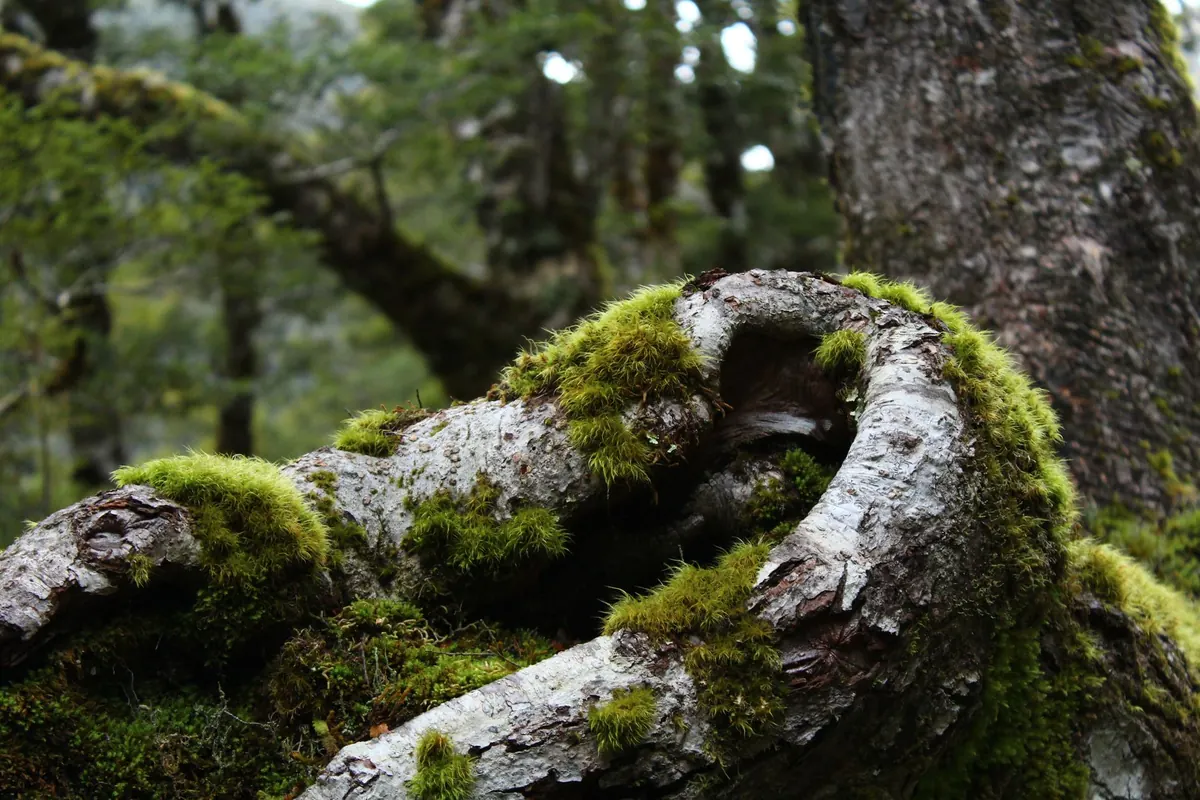
A rotting log is a sponge. It holds water through dry spells and releases it slowly, which is one reason seedlings often establish along its length. Fallen trunks act as nurse logs: mosses, liverworts, ferns and eventually tree seedlings root on top of them, lifted clear of competing ground vegetation. Stumps do the same job on a smaller scale.
As the wood breaks down, nutrients return to the soil gradually rather than in one flush, and carbon is stored in the timber for as long as it lasts. In streams and ditches, fallen branches slow the flow, trap leaf litter and create shelter for invertebrates and small fish. Nothing here is wasted.
Making Room for Rot: Practical Steps
If you look after a wood, a copse or simply a corner of a garden, the most useful thing you can do is to stop tidying. Leave what falls where it is safe to do so, and let decay get on with it. Where you do need to intervene, try the following.
- Keep some standing dead trees. If a dead tree stands away from paths, boundaries and roads, it is often worth leaving it. Standing wood is scarcer than fallen wood and supports species that logs cannot.
- Leave fallen timber in place. Where a log has to be moved, drag it a short distance into shade or beside a hedge rather than removing it.
- Retain stumps. A cut stump left at knee height rots down over years and shelters insects and fungi.
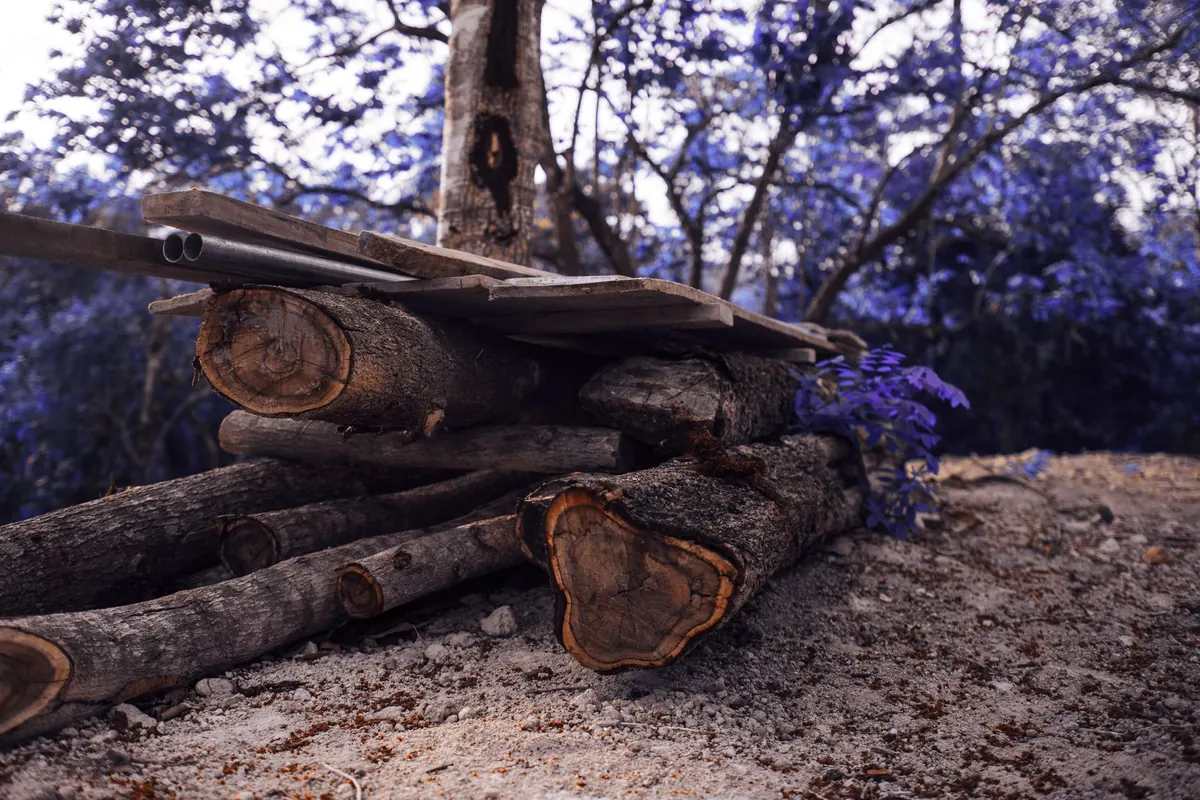
- Build a habitat pile. Stack cut branches and logs loosely in a quiet corner, mixing sizes and a little leaf litter. Loosely is important: tight stacks stay too dry and offer few gaps.
- Half-bury a few logs. Partly sinking a log into soil speeds up decay and keeps it damp, which suits a different set of species from a log left on the surface.
- Vary the light. Keep some deadwood in sunshine and some in shade, and leave it where it falls if the ground is damp.
- Never move deadwood far. Fungi and invertebrates travel with it, and a log taken to another site carries its community with it.
Safety comes first. A dead tree near a footpath, car park, road or building may need assessing by a qualified arboriculturist, and any work should be done by someone competent to do it. The aim is not to leave hazards in place but to keep deadwood where it presents no risk. If you are unsure about a particular tree, take professional advice before deciding.
Start with One Log
You do not need a woodland to make this work. A single log left at the back of a border, a small stack of prunings behind a shed, or a stump allowed to soften will be found within a season or two by beetles, fungi and nesting insects. On a bigger scale, the same principle applies: the more deadwood, the bigger the variety of sizes, and the more of it left standing, the richer the wood becomes. Rot is not neglect. It is the slow machinery that keeps a woodland alive.
Photo: will / Pexels
Getting Started with Birdwatching in Woodlands
A practical beginner's guide to woodland birdwatching: the kit worth carrying, the best times to go, and...
A Year in the Woodland: Monthly Nature Checklist
A month-by-month guide to UK woodlands, from January catkins and April bluebells to autumn fungi and the...