A Year in the Woodland: Monthly Nature Checklist
A wood is never quite the same place twice. Come back six weeks later and the light has shifted, the ground has changed colour, and a bird that filled the air last time has fallen silent or moved on. The trick is knowing where to look, and when.
What follows is a year of looking, broken into manageable stretches. Treat it as a rough timetable rather than a rulebook. Seasons drift by a fortnight or so depending on where you are, and a cold March in Aberdeenshire looks nothing like a mild one in Sussex. Keep your own dates in the margins; after a few years they become the most useful notes you own.
January and February: the bare months
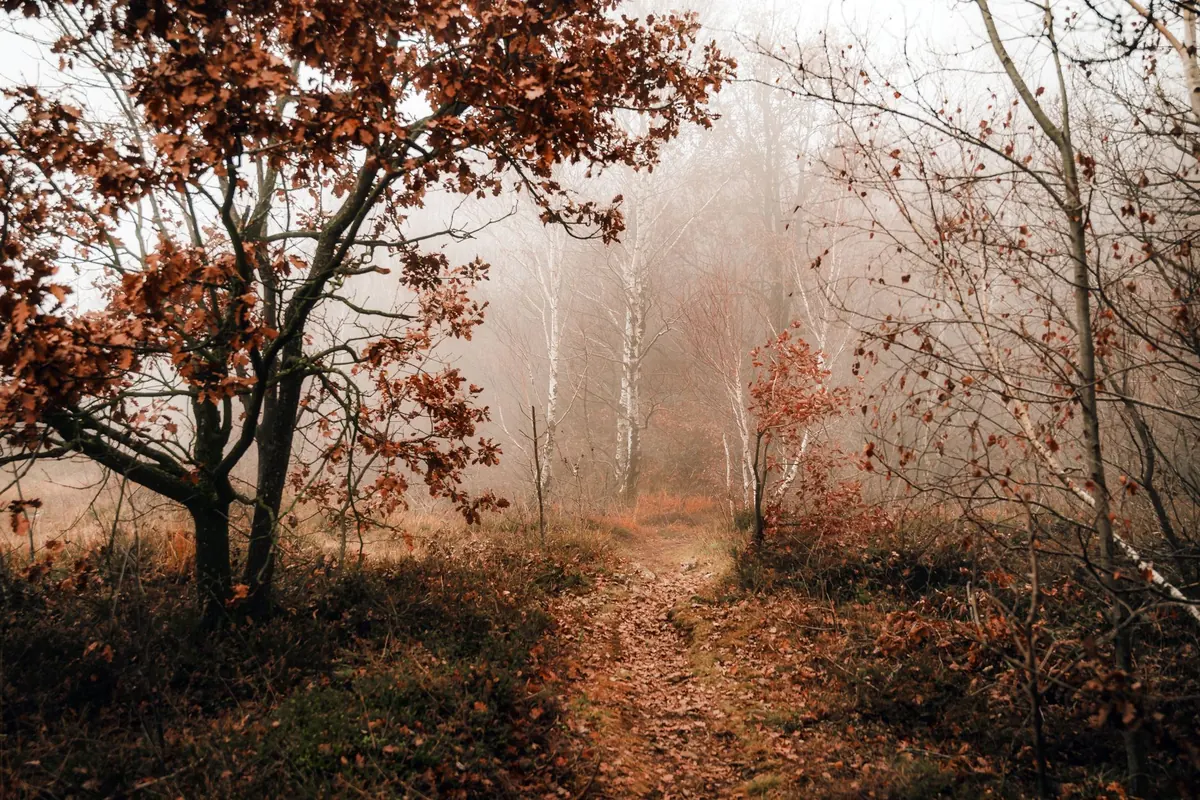
With the leaves gone, you can finally read the architecture. Learn three or four trees by their winter silhouette and the whole wood opens up: ash with its sooty black buds, oak with clusters of buds bunched at the twig ends, beech holding on to last year's russet leaves like a stubborn tenant. Alder is worth a detour — its catkins hang on bare twigs, and the small brown cones from last year often sit right beside them.
Hazel is the real star of late winter. From January, the yellow catkins lengthen into what everyone calls lamb's tails. Look closely at the same twig and you may spot the female flowers: tiny crimson tufts, barely a few millimetres across, easy to miss without a hand lens. That's the actual flower. The catkins are only the pollen delivery.
Frost is a gift. Prints hold well in the first hours of the day, so go early and check soft ground along rides and gateways for deer slots, fox tracks and the broad, flat pads of badger. Listen too: great spotted woodpeckers start drumming from late January, short machine-gun bursts on a dead branch, and tawny owls duet after dusk — the female's sharp kee-wick answering the male's wavering hoot.
By February the first snowdrops appear, often in the oldest parts of a wood, near boundaries, banks and the tumbled walls of former gardens. They spread slowly. A drift of them is a history lesson as much as a flower.
March and April: the wood wakes
This is the quickest change of the year. Wood anemones open first, white stars on a carpet of last year's leaves, followed by the glossy yellow of lesser celandine and the clove-scented wood sorrel. In damp hollows, frogs gather to spawn; a jelly mass in a woodland pond is a good sign that the habitat is working.
Sound arrives before colour. The chiffchaff's two-note song is usually the first proper summer voice, often from mid-March, and it is worth learning because it will be the backdrop to every walk until August.
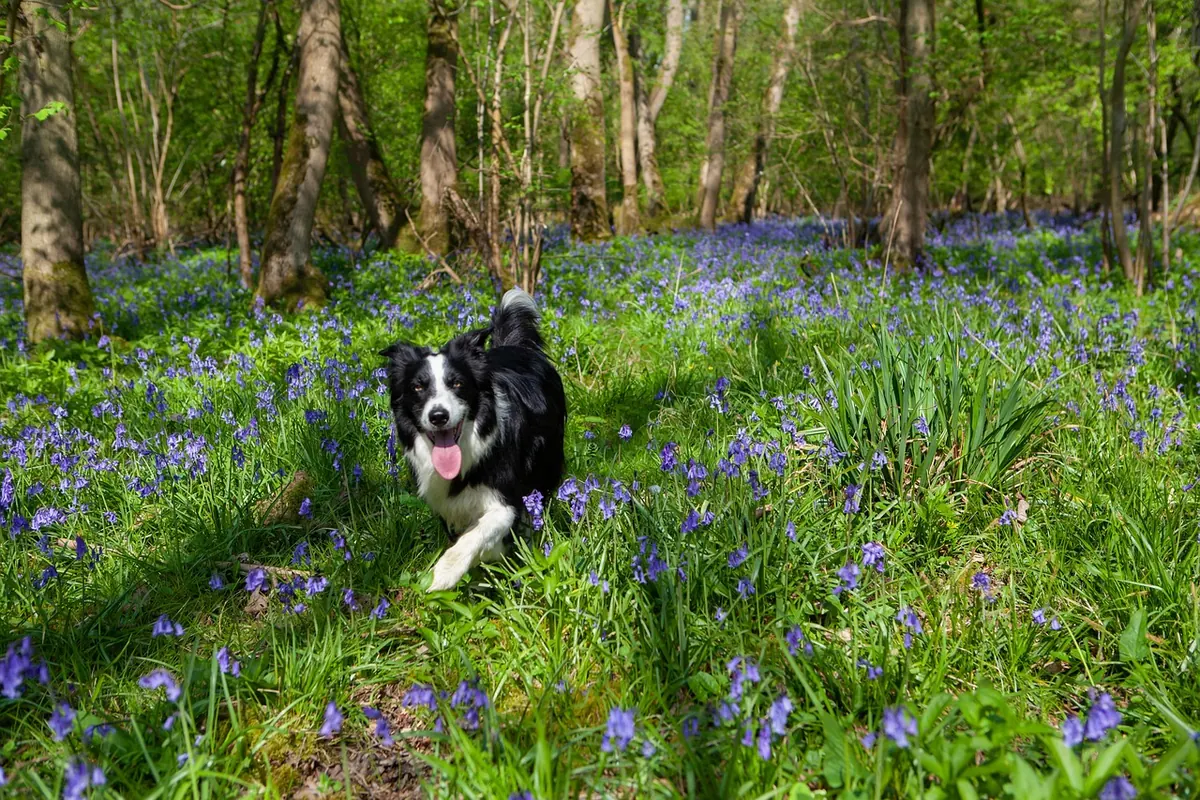
Then the bluebells come. Native bluebells flower from mid-April into May, and they are at their most powerful early in the morning or in the last hour of light, when the scent sits in the air rather than rising away from it. Check a single flower to see what you have: native bluebells droop to one side of the stem, carry creamy-white pollen, and smell sweet. The vigorous Spanish garden escape is more upright, with blue-green pollen and almost no scent.
The most useful thing you can do here is nothing much — stay on the path through a colony. Trampled bluebell leaves can take years to recover, and the bulbs rarely survive being dug up. Uprooting any wild plant without the landowner's permission is against the law, and picking is best left alone.
May and June: canopy and chorus
The dawn chorus peaks in the first week or two of May, then fades as birds get down to the business of feeding young. If you only manage one early start this year, make it this one. Arrive in the dark, stand still, and let the layers build: blackbird and song thrush low down, robin and wren in the undergrowth, blackcap and garden warbler in the scrub, and the thin, high songs filtering from the canopy.
May is also the month for ramsons, or wild garlic — follow your nose along a damp valley bottom before you see the white star flowers. Nuthatches plaster mud around their nest holes, blue tits shuttle into oak cavities, and the first orange-tip butterflies work the ride edges. In western oak woods, listen for the wood warbler's song, a soft spinning coin that accelerates and then tails off.
By June the wood has closed over. Light falls in patches, and the best hunting ground is the edge of a ride, where sun reaches the ground. Ferns unfurl, honeysuckle tangles through the hazel, and speckled wood butterflies squabble in every sunlit gap.
July and August: high summer, low birdsong
Don't be disappointed by the quiet. Birds are moulting, hiding and feeding, and the wood has moved its business up into the leaves. Change your scale. Get down to the ground with a hand lens and look at galls on oak leaves — the round marble galls and the flat spangle galls are tiny, strange and everywhere. Look at the flower heads in open rides for hoverflies and beetles.
Look up as well. Purple hairstreaks spend most of their lives around the tops of oaks, and a sunlit oak viewed from below in July is the place to find them. In southern woods, silver-washed fritillaries cruise the rides in high summer, orange and silver, rarely stopping for long. On warm evenings, bats take over the shift the swifts have just left. Hazel nuts and acorns are swelling in the canopy, and the year is quietly setting seed.
September and October: nuts, berries and the first fungi
Jays come into their own now, carrying acorns away and burying them singly across the wood — a scatter-hoard that plants far more oaks than it ever digs up. Squirrels are frantic, blackberries and sloes ripen along the edges, and rowan and spindle add a flush of colour: spindle is worth finding in October, with its pink capsules splitting to show bright orange seeds.
The first proper fungi follow the first proper rain. Boletes push up under birch and oak, chanterelles appear in mossy leaf litter, and beefsteak fungus spreads its dark, liver-like brackets on oak trunks. Take photographs and a notebook rather than a basket. Never eat a fungus you cannot identify with certainty, and check the rules of the site before foraging anywhere.
October is also the month to listen for deer. Fallow bucks groan and belch through the rut in old parkland and mature woods, and the sound carries further than you would expect at dusk.
November and December: fungi, woodcock and roosts
Fungi often peak in early November rather than October. Look for amethyst deceivers in beech litter, sulphur tuft in tiered clumps on stumps, fly agaric under birch, and the hard, hoof-shaped birch polypore that stays on the tree all year. Wet weather also brings out the mosses and liverworts, and a wood in winter is the best place to learn them: study the bark of a single old ash or field maple and count the different textures and greens.
Winter visitors arrive. Woodcock, redwing and fieldfare move in, the thrushes stripping berries from holly and hawthorn. With the canopy open again, roosts become visible — a huddle of long-tailed tits moving in a loose ribbon through the twigs, wrens creeping into ivy, pigeons packed into a conifer. End a walk by standing still in the last of the light and listening. The wood is rarely silent, even in December.
Making the year work
The single best habit is to walk the same route once a month and write down four things: date, weather, what is flowering, and what you heard. After a year you will have a record no field guide can give you.
A small kit makes a big difference:
- A pocket notebook and pencil, which work in the wet when a phone will not
- A hand lens, 10x is plenty, for catkins, galls and mosses
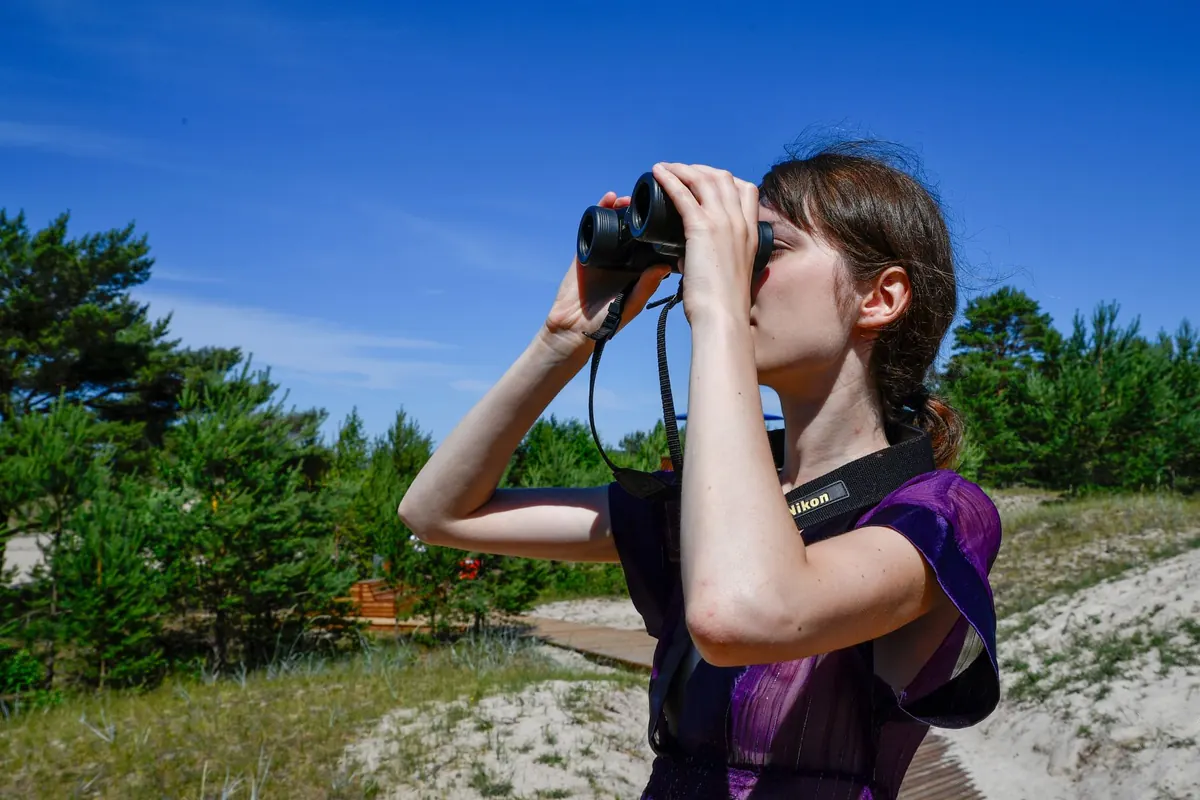
- Binoculars, even modest ones, for canopy birds and roosts
- Wellies and a torch for early starts and dusk walks
- A phone for photographs of fungi and galls you can identify at home
Go slowly. Ten minutes sitting still on a log will show you more than an hour of striding. Stay on paths where ground flora is fragile, keep dogs close between March and July when birds are nesting on or near the ground, and take everything home with you.
One last practical note: woodland walks in spring and summer mean ticks. Check yourself and children afterwards, remove any attached tick promptly with fine-tipped tweezers, and if you later develop a rash or feel unwell, speak to a pharmacist or your GP rather than waiting it out.
Photo: Cătălin Todosia / Pexels
Getting Started with Birdwatching in Woodlands
A practical beginner's guide to woodland birdwatching: the kit worth carrying, the best times to go, and...
Spring Woodland Wildflowers: A Spotter's Guide
Ten early woodland flowers to look for between February and May, with tips on where to find them, how to...