Britain's Ancient Woodlands: Why They Matter and Where to Visit
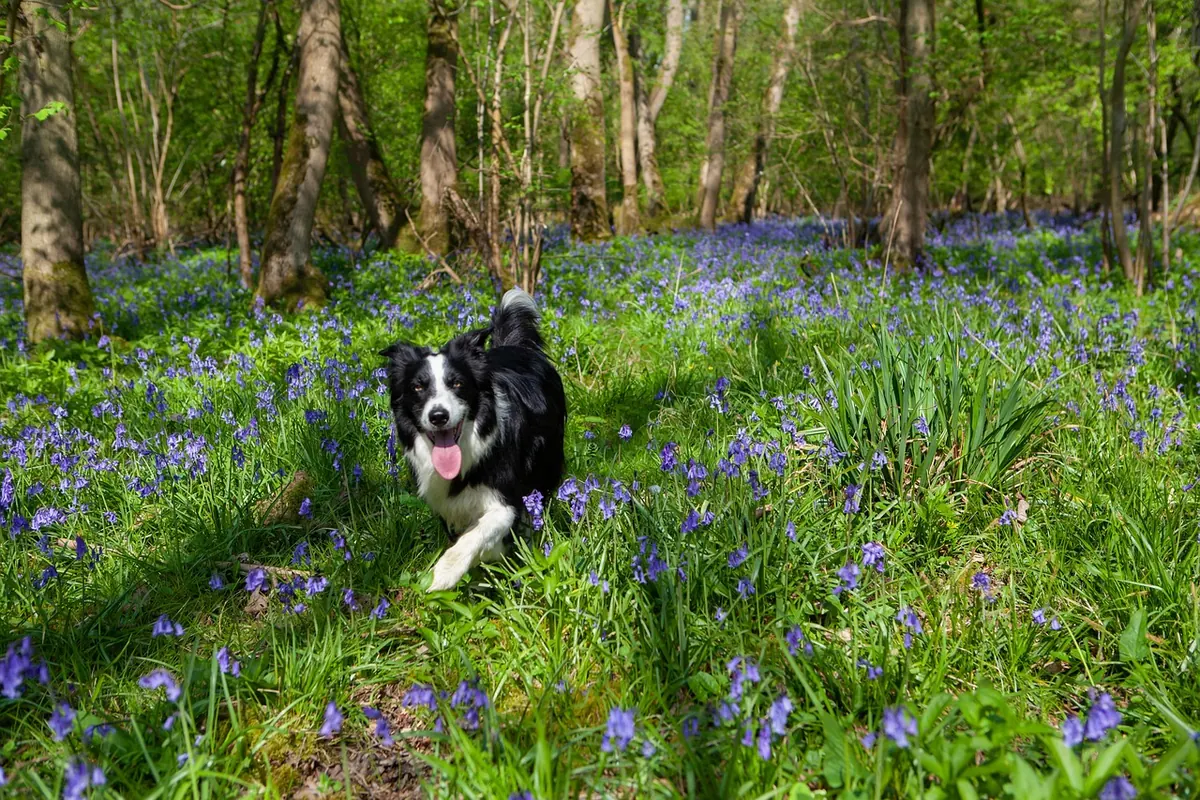
A bluebell wood in late April is one of the great spectacles of the British countryside: a violet-blue haze beneath trees that are only just coming into leaf. What most visitors don't realise is that they are standing in a habitat far older than almost anything else around them — older than the parish church, older than most field boundaries, and in some cases older than the villages nearby. Ancient woodland covers a tiny share of Britain's land surface, and once it has gone it cannot be recreated. Here is why it matters, and how to visit it well.
What makes a woodland ancient
In Britain, "ancient woodland" has a precise meaning: land that has been continuously wooded since at least 1600, or 1750 in Scotland. Those dates are not arbitrary. They mark the point at which maps, estate records and planting accounts become reliable enough to show whether a wood already existed or was deliberately planted later.
Continuity is the key, not untouchedness. Almost every ancient wood in Britain has been coppiced, grazed, cut and worked for centuries, and many were felled during the two world wars and grew back. What has never happened is the plough. Because the soil has not been cultivated, drained or heavily fertilised, its community of plants, fungi and invertebrates has had centuries to assemble — and that community is exceedingly hard to reassemble from scratch.
Two terms are worth knowing. Ancient semi-natural woodland keeps its native mix of trees and shrubs. Plantations on ancient woodland sites were replanted with conifers or other non-natives in the twentieth century, yet often retain the old soil, ground flora and boundary banks beneath the canopy. These are restoration projects in waiting, and conservation groups across the country are gradually thinning them back towards something more natural.
Why ancient woodland matters
Most British woodland is young — a few decades old, often planted on former farmland or reclaimed from open ground. It can be valuable, but it is a different habitat. Ancient woods carry features that take centuries to develop.
Soils, deadwood and fungi
Undisturbed woodland soil is layered with leaf litter, humus and a dense network of fungal threads that link trees underground. Deadwood — standing stags, fallen trunks, rotting stumps — is not untidiness but habitat. Beetle larvae, fungi, mosses and liverworts depend on it, and so do the bats and birds that roost and nest in hollow trees. Many of these species are poor colonisers: they need a wood that has been there a long time, close to another one, to reach a new site at all.
Wildlife that relies on continuity
Ancient woods support specialist birds such as the marsh tit, willow tit and lesser spotted woodpecker, along with dormice, barbastelle bats and a long list of invertebrates tied to old trees and specific plants. Ground flora is the simplest clue: bluebells, wood anemone and ramsons flower in the brief spring window before the canopy closes and cuts out the light. These woods also shade waterways, hold carbon in their soils, soak up heavy rain and act as stepping stones for wildlife moving through a fragmented landscape.
A habitat under pressure
The threats are mostly quiet and cumulative. Fragmentation is the biggest: many ancient woods survive as small islands, exposed to wind, light and fertiliser drifting in from neighbouring fields. Deer grazing at high densities can strip out young growth so effectively that no new trees survive to replace the old ones. Invasive plants such as rhododendron and Himalayan balsam crowd out native ground flora, while ash dieback is reshaping woods that were dominated by ash.
Development remains a persistent pressure, and planning protections for ancient woodland are tested again and again by road schemes, housing and utility projects. The best long-term protection is often the least dramatic: buffer zones around woods, sympathetic management, and enough people who know and value a particular wood to speak up for it.
Reading a wood: what to look for
You do not need a survey licence to get a feel for a site. Ancient woodland indicator species are clues rather than proof — several of them also turn up in recent woods — but a strong cluster is a good sign.
- Bluebell — the classic marker, especially in dense, native-looking drifts.
- Wood anemone — slow to spread, so large patches suggest long continuity.
- Ramsons (wild garlic) — often carpets damp, shaded ground.
- Dog's mercury, wood-sorrel and yellow archangel — all associated with older woods.
- Herb Paris and early purple orchid — uncommon, and a genuine thrill to find.
- Wild service tree — a scarce native tree of old woods and hedgerows.
Look too at the wood's structure: fat, multi-stemmed coppice stools, pollarded trees with massive crowns, and low banks and ditches along the boundary. Woodbanks like these often mark a boundary that has barely moved in hundreds of years.
Where to visit
There is almost certainly an ancient wood within an hour of you. The Woodland Trust, the National Trust, Wildlife Trusts, Forestry England and NatureScot all care for sites with public access.
- Epping Forest, Essex — thousands of veteran trees and pollards on the edge of London.
- Hatfield Forest, Essex — a rare surviving medieval hunting forest with grazing, wood pasture and old coppice.
- Burnham Beeches, Buckinghamshire — famous for ancient pollards and fungi in autumn.
- Savernake Forest, Wiltshire — old oaks, deep rides and a long history of management.
- Blean Woods, Kent — a large wooded landscape with strong coppice flora.
- Wye Valley and the Forest of Dean — steep limestone woods, bluebells and peregrines.
- Dinefwr, Carmarthenshire — parkland and woodland with veteran trees and fallow deer.
- Castle Eden Dene, County Durham — a dramatic wooded ravine with yew and ash.
- Taynish and Ariundle, Argyll — Atlantic oakwoods rich in mosses, lichens and ferns.
- Wistman's Wood, Dartmoor — a stunted oakwood among granite boulders; small, fragile and best viewed from the path.
How to visit without harming it
- Stay on the paths. Woodland soil compacts easily, and trampled ground flora can take years to recover.
- Leave the plants alone. Uprooting wild plants without the landowner's permission is an offence, and picking is best avoided; native bluebells take years to establish and are easily confused with the vigorous Spanish garden variety.
- Keep dogs close around livestock and ground-nesting birds in spring, and out of sensitive areas altogether.
- Take everything home, including fruit peel and food scraps, and never light fires or barbecues.
- Clean your boots between woods. Mud and leaf litter can carry plant diseases such as Phytophthora from one site to another.
- Photograph fungi rather than picking them, and check yourself for ticks afterwards. If you find an attached tick, remove it carefully with fine tweezers or a tick tool, and speak to a pharmacist or GP if you feel unwell in the days that follow.
Before you go
Check the site's own website first: paths can close for tree safety work, deer management or nesting season, and car parks sometimes fill by mid-morning. Wear boots — ancient woods are often on clay, steep ground or boggy valley floors — and take a paper map, as phone signal is patchy under a canopy.
Late April to mid-May is the peak for bluebells, but the woods repay visits all year. Winter reveals their structure and their lichens, and autumn brings fungi and turning leaves. If you want to do more than walk, join a local volunteering group, record what you see on a wildlife recording site, or support the charities that own and manage these places. Ancient woodland cannot be replaced, but it can be looked after — and the best way to protect a wood is for enough people to know it well.
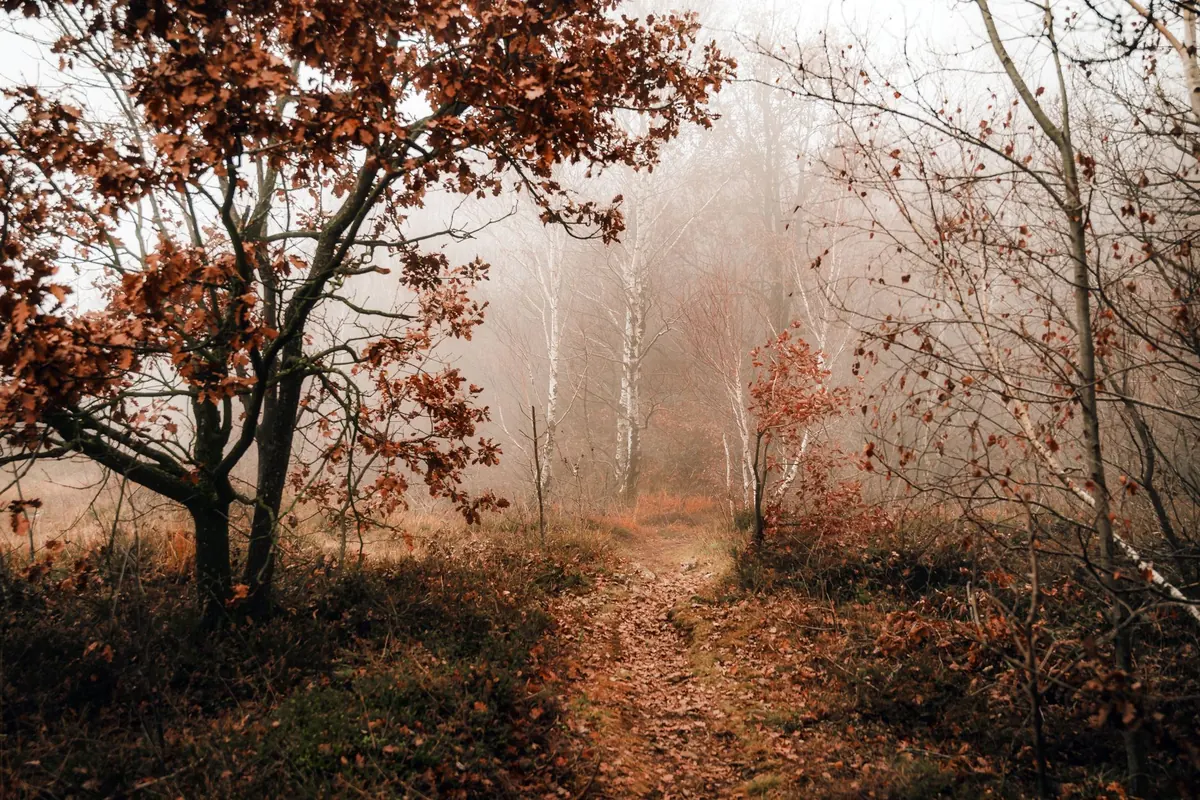
Photo: TheOtherKev / Pixabay
Getting Started with Birdwatching in Woodlands
A practical beginner's guide to woodland birdwatching: the kit worth carrying, the best times to go, and...
A Year in the Woodland: Monthly Nature Checklist
A month-by-month guide to UK woodlands, from January catkins and April bluebells to autumn fungi and the...