How to Create a Woodland Wildflower Meadow
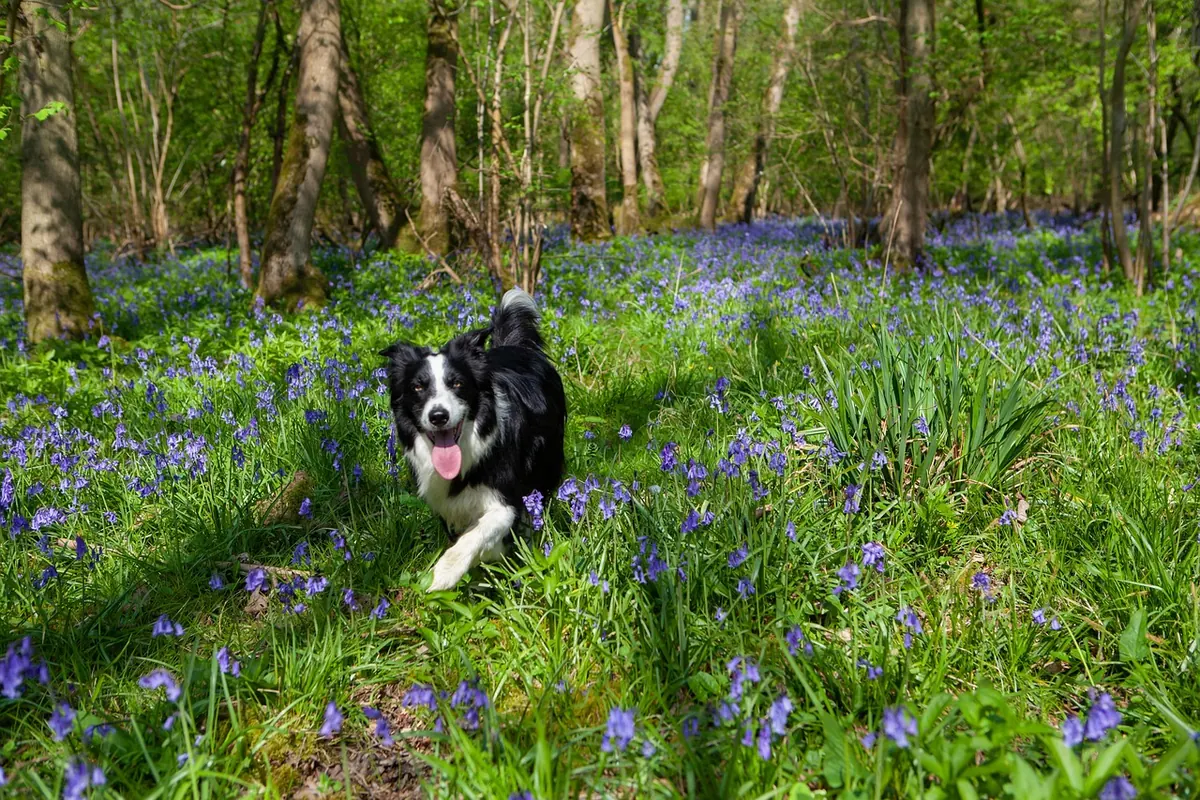
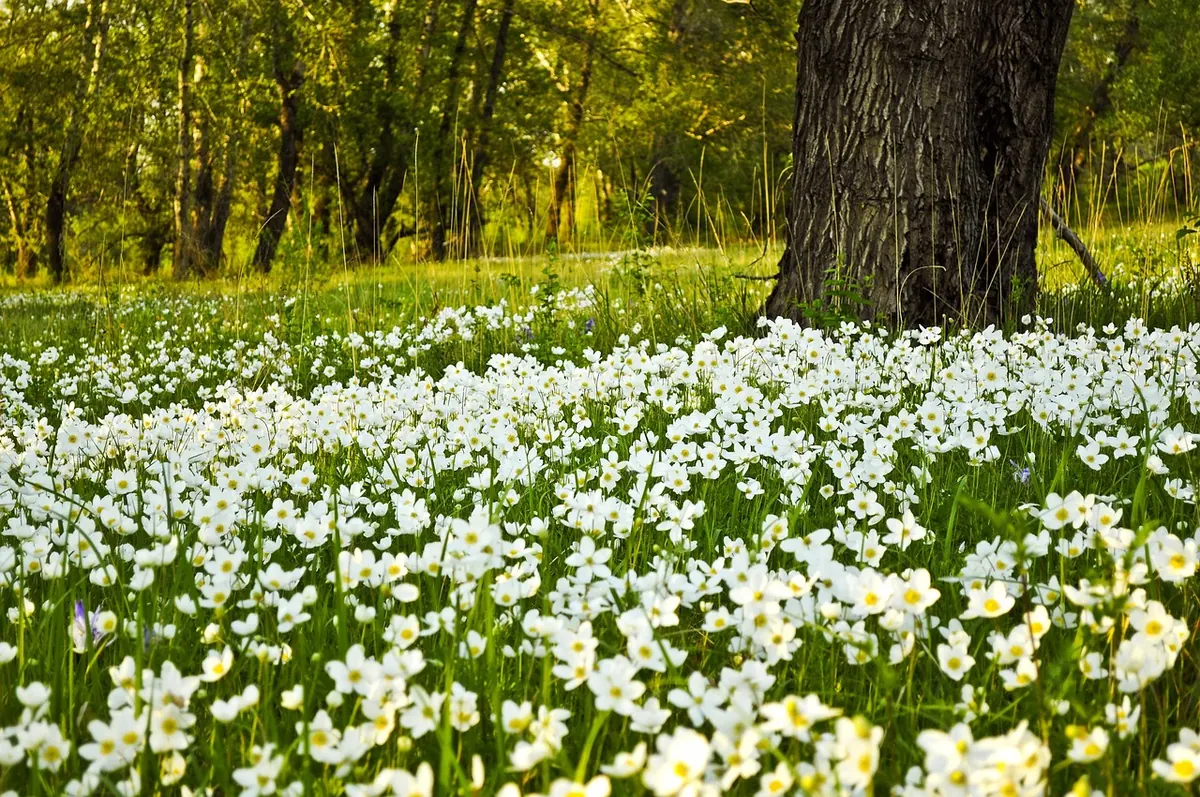
Not every patch of trees can carry a meadow. The best sit where light still reaches the ground: a woodland ride, a clearing, an old orchard, the sunny skirt of a copse. In those half-shaded places you can build something that looks effortless and is anything but — a native wildflower meadow that opens with primroses and bluebells, hums through early summer and feeds insects from March to October.
Woodland flowers keep a different calendar from hay-meadow flowers. Most rush to bloom and set seed before the canopy closes, then retreat underground. Work with that rhythm and a shady corner will repay you for years.
Read the light before you buy seed
Walk the site through a full year before spending anything. What matters is how much direct sun reaches the ground in late April and May, when woodland plants do their growing. Four hours or more, even in two stretches, and you can aim for a proper meadow mix. Two or three hours of dappled light suits primrose, wood anemone and bluebell better than any grass-and-daisy blend. Beneath dense conifers, or under a thick beech canopy where leaf litter never breaks down, you will be fighting the site rather than working with it.
Note what already grows, too. Dog's mercury, wood sorrel and bluebell leaves mean the soil already suits woodland plants. Bramble, bracken and ivy mean a season of clearing first.
Prepare the ground properly
More projects fail here than at the sowing stage. Wildflowers need light, low fertility and bare soil; so do grass, nettles and creeping buttercup, which get there faster.
- Clear the perennials. Bramble, ground elder, couch grass and bracken will not be out-competed. Cut hard, then keep cutting — repeated defoliation through a season drains the roots.
- Smother where you can. On a small patch, a light-excluding layer of cardboard or black polythene weighted down for a full growing season saves endless hand-weeding. Lift it in autumn and rake.
- Don't feed the ground. No compost, manure, fertiliser or topsoil. Woodland flowers evolved on thin, hungry soils; enrich the ground and you will grow magnificent grass and very few flowers.
- Open the top few centimetres. A fork and rake are enough — you want a crumbly surface for seed to settle into, not a deep-dug bed. On clay, wait until the soil crumbles rather than smears.
- Thin the leaf litter. A thick blanket of autumn leaves stops seedlings. Rake it off small areas, but leave heaps in corners for beetles and hedgehogs.
Choose native seed, and buy it honestly
Native wildflowers support far more insects than garden cultivars, and single open flowers are easier for bees and hoverflies to feed from. Buy British-grown seed or plugs from a nursery that can tell you where its stock comes from. Never dig plants from the wild: it damages the population, and uprooting most wild plants without the landowner's permission is an offence. Wild-collected bluebell bulbs cannot legally be sold.
Species worth including:
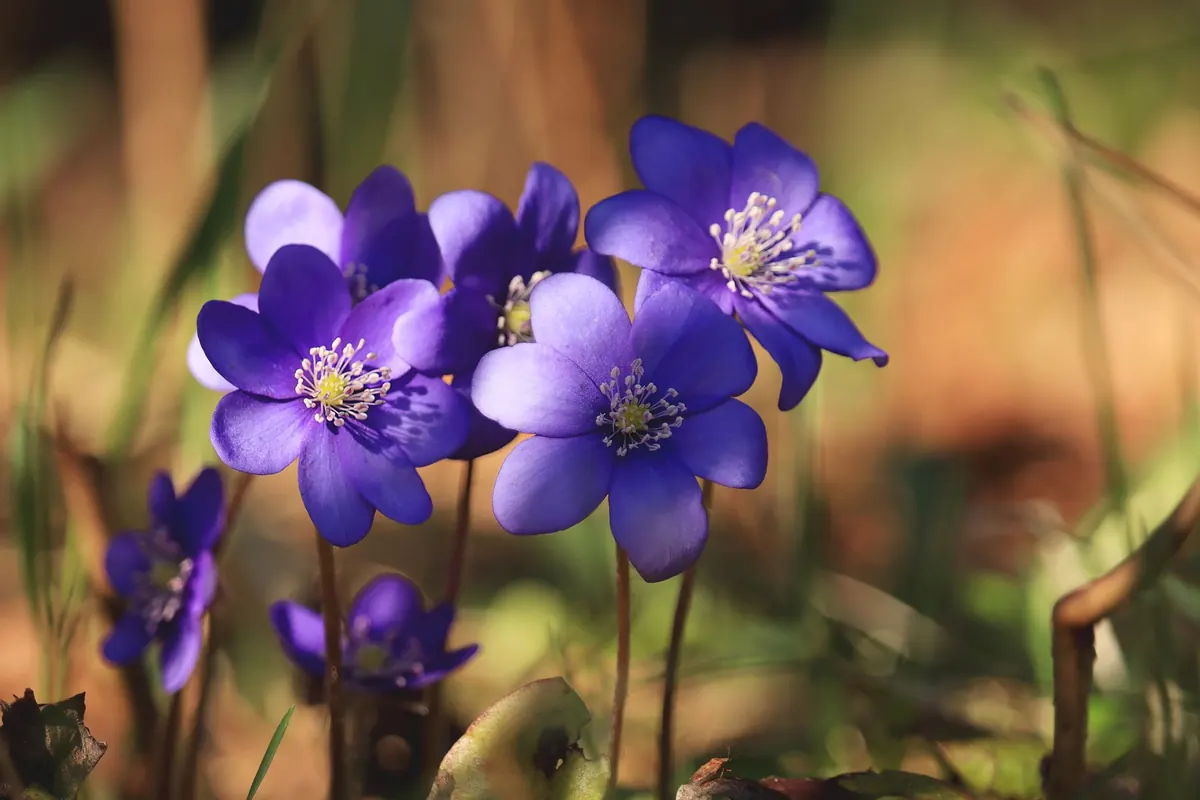
- Spring: bluebell, wood anemone, primrose, ramsons, wood sorrel, dog violet, lesser celandine.
- Late spring: red campion, wood forget-me-not, yellow archangel, hedge woundwort, foxglove, greater stitchwort, sweet woodruff.
- Sunny edge: ox-eye daisy, common knapweed, field scabious, betony, selfheal, cowslip, bird's-foot trefoil.
On a bright grassy strip, add yellow rattle. It parasitises grasses and thins them without chemicals, but it will not establish in deep shade, so keep it for the sunny half.
Sowing, planting and the first season
Autumn suits most woodland and meadow seed: the soil is warm, rain does the watering, and winter cold breaks the dormancy of primrose and cowslip. Bluebell and wood anemone are exceptions — their seed loses viability once dry, so sow it fresh and still slightly damp as soon as it ripens in summer.
Mix tiny seed with dry sand or fine compost so you can see where it lands, broadcast it, then rake lightly. Most wildflower seed needs light to germinate, so don't bury it. Firm the surface by treading or rolling so the seed makes contact with soil. For slow or costly species, plug plants and bulbs in the green are worth the money: plant them in small drifts rather than evenly spaced rows, and water them through the first dry spell. Net where rabbits and pigeons work the ground.
Expect the first year to look unpromising. Cut annual weeds before they set seed, and cut the whole patch back in late summer even if almost nothing flowered. Year two will surprise you; year three is when it begins to look as though it has always been there.
Manage it as a hay meadow
A wildflower meadow is made by cutting, and above all by taking the cuttings away. Every barrow-load of hay removed is fertility that grasses and nettles cannot use to smother flowers. Mow and leave the clippings and the flowering fades within a few seasons.
- Spring: look, don't trample. Emerging shoots are fragile.
- Early summer: leave everything to flower and set seed. Cut a few narrow paths so the space reads as a meadow, not a neglected corner.
- Late July to August: the main cut, down to about five to ten centimetres. Leave the hay lying for two or three days so seed drops, then rake it off and compost it well away from the meadow.
- Autumn: a second cut if growth is strong. In shaded areas, cut lightly once the foliage has yellowed and clear the arisings.
- Winter: leave seed heads, hollow stems and tussocks standing for overwintering insects and hungry birds.
A scythe, a brushcutter with a blade or a local contractor will all do. Stagger the cuts where you can: leaving a third uncut each year gives insects somewhere to retreat to.
Think about pollinators
The value of a woodland meadow lies as much in its timing as its colour. Early bumblebee queens and solitary bees emerge in March and April, when little else is in flower — primrose, lesser celandine, wood anemone and bluebell matter enormously then. From June, knapweed, scabious and betony carry the season on into late summer, with foxglove and hedge woundwort bridging the gap.
Two rules. Choose single, open flowers rather than double or heavily bred forms, and use no insecticide at all on a flowering patch. A log pile in the shade and a little bare ground in the sun will suit ground-nesting bees.
A practical way to start
Begin with a patch you can manage properly — three metres by three metres is plenty — and keep notes. Record when the first celandine opens, when the bluebells go over, when you cut and how much hay came off. Photograph the same view each month.
Then let it spread. Lift seed from your own plants, extend the cleared ground a little each autumn, and link the meadow to hedgerow or scrub so insects and small mammals can move through. Ten years of patient work makes the best woodland meadows, and there is no shortcut worth taking.
Photo: Larisa-K / Pixabay
Getting Started with Birdwatching in Woodlands
A practical beginner's guide to woodland birdwatching: the kit worth carrying, the best times to go, and...
A Year in the Woodland: Monthly Nature Checklist
A month-by-month guide to UK woodlands, from January catkins and April bluebells to autumn fungi and the...